By Markian Melnyk, Realtor
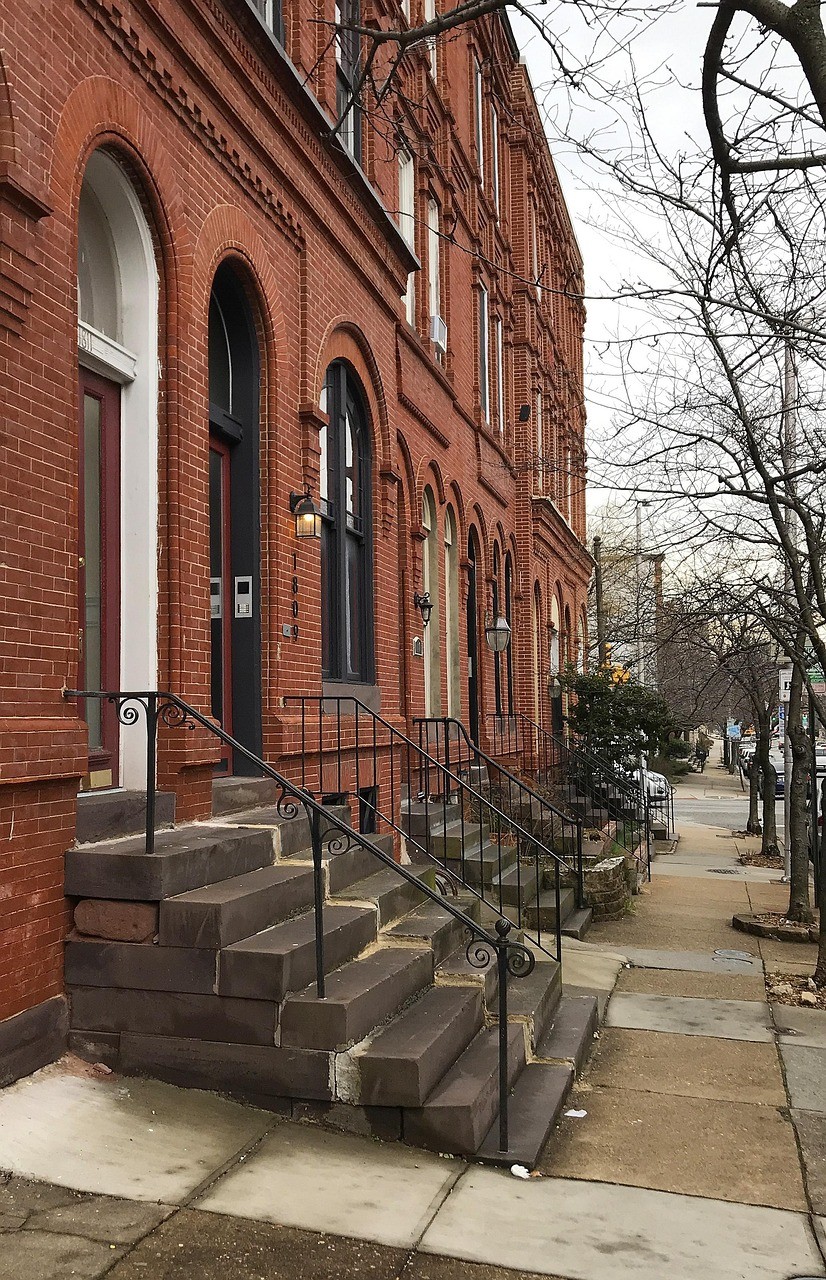
It’s a restored multi-story building on a tree-lined street. The building keeps the architectural flourishes and old character of its time, but with an updated kitchen and baths the unit is comfortable and stylish. The monthly payments meet your budget. So, you ask your agent to make an offer. The seller accepts. Now what?
With a condo, you’re buying into an institution, not just a property. It is an institution that will have a large impact on the financial success of your investment and affect your personal enjoyment of your home. So before you close, let’s be sure that this institution, not just your unit, is right for you.
In a condo you own the exclusive rights to your unit and an undivided interest in the common areas – which is everything on the property that is not within the walls of the individual units. This includes the lobby, the elevators, the roof, exterior walls, landscaping, parking lots or garages, and building mechanical systems.
You’re also joining a club – the council of unit owners. Remember group projects from your school days? Well, being in this club is something like that, with a goal, meetings, multiple personalities and opinions, and which hopefully culminates in collective action for the housing equivalent of an A grade. A condominium is collective property ownership that is created when a developer records a declaration, bylaws, and a detailed plat (i.e., a drawing) of the property, and registers it with the Maryland Secretary of State. The club is run according to those bylaws and rules and regulations, and in a large condo, responsibility for running the property may be delegated to a board of directors and management.
By law, no less than 15 days before closing the seller must give the purchaser a package of “condo docs” with the declaration, bylaws, and rules, and financial information including the condo’s financial statements, monthly expenses, monthly fees, proposed capital improvements, and insurance coverage. A purchaser should also insist on:
two years of council and board meeting minutes
the last three years of financial statements, and
a copy of the most recent reserve study and any engineering reports from the last five years.
Once you receive the condo docs you have seven days to back out of the purchase contract by giving written notice. So, it is important that you receive all the documents that you’ve requested and that you review them before the contract cancellation deadline.
What should you look for in the condo docs? That’s another blog, but the quick take is to look for signs of disfunction and mismanagement because by buying this unit you are also signing up for a share of the cost of keeping the condo, as a whole, afloat. Is the cost of future repairs identified in the reserve study mostly covered (i.e., 70% or more) by reserves shown on the condo’s balance sheet? Do the minutes show that the condo is involved in litigation? Are a significant percentage of unit owners delinquent in paying condo fees and special assessments?
This is important due diligence, and your agent should be your partner helping you to work through these questions (and others). Condo ownership can be a fine housing solution, but you want to join this club with your eyes wide open.